
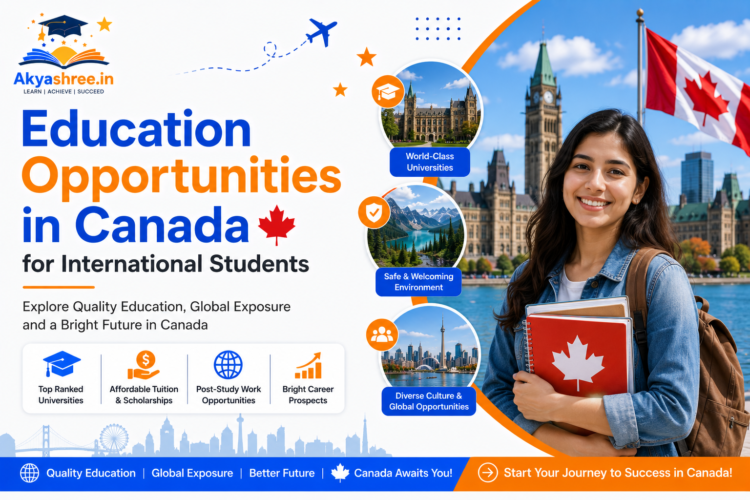
Canada has become one of the most trusted destinations for students who want quality education, global exposure, and strong career opportunities. Every year, thousands of learners choose to Study in Canada for international students programs because the country offers a balanced mix of academic excellence, cultural diversity, and career-focused learning.
The strength of Higher education in Canada lies in its practical teaching methods, research-driven universities, and industry partnerships. From diploma programs to advanced postgraduate degrees, Canadian universities for international students provide flexible academic pathways that help students build real-world skills. Along with education, students also gain access to a welcoming multicultural environment that supports long-term professional growth.
This guide explains the major Education opportunities in Canada, admission pathways, scholarships, visa requirements, and career prospects so international students can make confident decisions.
Why Choose Canada for Higher Education?
Canada continues to grow as a leading Global education destination because of its strong academic reputation and student-friendly immigration policies. International students benefit not only from education but also from career exposure and long-term settlement opportunities.
Globally Recognized Canadian Universities and Colleges
Canadian institutions are known for maintaining high academic standards and innovation-focused research programs. Many Accredited Canadian institutions consistently rank among the top global universities.
Students enrolling in Research universities Canada programs gain access to advanced laboratories, experienced faculty members, and collaborative learning opportunities. These institutions focus on practical outcomes, helping students develop skills that employers value worldwide.
The structure of Post-secondary education Canada ensures flexibility. Students can transfer credits, switch programs, or move between diploma and degree pathways depending on their career goals.
Multicultural Student Environment and Campus Experience
One of the biggest advantages of studying in Canada is the welcoming student environment. Universities host learners from different countries, creating a truly Multicultural student environment Canada experience.
International learners enjoy strong Student life in Canada, including clubs, networking communities, cultural societies, and academic mentoring programs. Campuses focus on creating a supportive Campus learning experience where students feel comfortable adapting to a new country.
Most universities also offer dedicated International student support services, including academic counseling, mental wellness programs, and career preparation assistance.
Study and Work Opportunities for International Students
Canada allows students to gain work experience while studying. Many programs support Study and work opportunities Canada, enabling students to manage expenses while building professional skills.
International learners can access Part-time work for students in Canada, usually during academic sessions, while full-time opportunities may be available during scheduled breaks.
This experience improves employability and opens doors to long-term Career opportunities after studying in Canada, especially in sectors like technology, healthcare, business, and engineering.
Types of Education Opportunities Available in Canada
Canada offers multiple academic routes depending on educational background and career goals. Understanding these options helps students select the right learning path.
Undergraduate Degree Programs in Canada
Students completing high school often apply for Undergraduate degree Canada programs offered by universities and colleges across the country.
The Canada college admission process usually includes academic transcripts, English proficiency results, and program selection based on career interests. Undergraduate education focuses on analytical thinking, research skills, and practical learning.
Programs such as business administration, computer science, health sciences, and engineering remain popular choices among international students.
Postgraduate Programs and Research Opportunities
Students who already hold a bachelor’s degree can pursue Postgraduate programs Canada, including master’s degrees and specialized certifications.
These programs strengthen expertise through research projects and industry collaboration. Many Academic admissions Canada pathways allow students to specialize in areas aligned with global job demand.
Graduate programs also support innovation, making Canada attractive for students interested in research-based careers.
Diploma and Certificate Courses in Canada
Not every student needs a traditional degree to succeed professionally. Many colleges offer Diploma courses in Canada designed to provide career-ready skills in a shorter timeframe.
These Canadian college programs focus heavily on practical training in fields such as hospitality management, IT support, healthcare assistance, and digital marketing.
Diplomas are often affordable and may lead directly to employment opportunities.
How to Apply for Universities in Canada as an International Student?
Many students search for guidance on How to apply for universities in Canada as an international student, and the process becomes easier when approached step by step.
Admission Requirements and Eligibility
Most universities require proof of academic performance along with language proficiency tests. Meeting Canadian university admission requirements is essential before applying.
Students usually submit:
- Academic transcripts
- Statement of purpose
- Recommendation letters
- English test scores such as IELTS requirements for Canada study
Each institution may have slightly different criteria depending on the chosen academic program.
Step-by-Step Canada Study Visa Process
After receiving admission, students must complete the Canada study visa process step by step.
The visa application generally includes:
- Letter of acceptance from an institution
- Financial proof
- Medical examination
- Passport documentation
Understanding Study permit Canada requirements helps avoid delays during approval. A valid Student visa application Canada allows international learners to legally stay and study in the country.
Choosing the Right Course and Institution
Selecting the correct program plays an important role in long-term success. Students often research the Best courses to study in Canada for international students based on job demand and immigration opportunities.
Technology, healthcare, finance, and skilled trade programs remain strong career-focused choices.
Scholarships and Affordable Study Options in Canada
Although Canada offers premium education, students can still find affordable learning opportunities through financial planning and scholarships.
Scholarships Available in Canada for Foreign Students
Many institutions provide funding options through Scholarships available in Canada for foreign students programs.
Scholarships may include:
- Government-funded grants
- University merit scholarships
- Research assistantships
These opportunities reduce financial pressure while allowing students to focus on academic performance.
Affordable Universities in Canada
Several colleges and institutions are known as Affordable universities in Canada, offering quality education at reasonable tuition costs.
Students often compare tuition structures across provinces to find programs that align with their budget while maintaining academic quality.
Cost of Studying in Canada for International Students
Understanding the Cost of studying in Canada for international students helps students plan realistically before relocation.
Expenses generally include:
- Tuition fees
- Accommodation
- Transportation
- Health insurance
Managing the Living cost in Canada for students becomes easier when students combine budgeting strategies with part-time employment opportunities.
What Are the Career and Immigration Opportunities After Studying in Canada?
Many students choose Canada not only for education but also for long-term professional growth.
Post-Graduation Work Permit Opportunities
Graduates may apply for the Post-graduation work permit Canada, which allows them to work legally after completing their studies.
This period helps students gain Canadian work experience and strengthen professional networks.
Student Immigration Pathways in Canada
Canada supports several Student immigration pathways Canada that allow graduates to transition toward permanent residency.
Work experience gained after graduation significantly improves eligibility for immigration programs.
Career Growth and Global Job Opportunities
Graduates benefit from exposure to international industries and professional environments. Employers value candidates educated within the Canadian system because of their practical training and communication skills.
Many industries actively hire graduates with Canadian credentials, expanding global career mobility.
Student Life and Support Services in Canada
Education is only one part of the international student journey. Lifestyle and support services also influence overall success.
Accommodation and Living Experience
Students can choose between university residences, shared apartments, or homestay options. Living arrangements often help students integrate into local communities while managing expenses effectively.
Campus housing also supports social interaction and networking opportunities.
Academic and Career Support Services
Institutions invest heavily in student development through mentoring programs and career guidance.
Career centers help students with internships, resume preparation, and interview training. These services strengthen professional readiness before graduation.
Safe and Inclusive Learning Environment
Canada is widely recognized for safety and inclusivity. Universities promote equality and diversity, allowing students from different backgrounds to thrive academically and socially.
This welcoming environment contributes greatly to student confidence and success.
Best Education Opportunities in Canada for International Students
When exploring the Best education opportunities in Canada for international students, students should focus on programs aligned with future job markets.
Popular growth sectors include:
- Artificial intelligence and technology
- Healthcare and nursing
- Business analytics
- Engineering and renewable energy
Canadian institutions regularly update academic programs to meet industry needs. This ensures graduates remain competitive in the global workforce.
Choosing programs connected to innovation and research increases long-term career stability.
Conclusion
Canada continues to offer some of the most valuable academic pathways for students seeking international exposure, career advancement, and long-term opportunities. From flexible academic programs to work permits and immigration options, the country provides a complete ecosystem for student success.
If you are planning your academic future abroad, understanding the right programs, visa requirements, and financial options can make the journey smoother. Resources and detailed student guidance available through platforms like aikyashree.in can help you explore opportunities and make informed decisions about studying in Canada with confidence.
FAQs
What are the requirements to study in Canada after high school?
Students typically need academic transcripts, English language proficiency results, proof of admission from a Canadian institution, and financial documentation to apply for a study permit.
How much does it cost to study in Canada for international students?
Costs vary depending on the university and program. Tuition fees combined with accommodation and living expenses should be carefully planned before applying.
Can international students work while studying in Canada?
Yes. Most study permits allow students to work part-time during academic sessions and full-time during scheduled breaks.
Are scholarships available for international students in Canada?
Yes, many universities and government programs offer scholarships based on academic achievement, leadership skills, or financial need.
What happens after graduation from a Canadian university?
Graduates can apply for a post-graduation work permit, gain professional experience, and explore immigration pathways that may lead to permanent residency.